
Hurricane
Preparedness
Guide
A comprehensive guide to preparing you and your home during hurricane season — from our family to yours.

"You can rebuild a home. What matters most is your people, your plan, and your peace of mind."
In 2022, our Cape Coral home was flooded with over three feet of water during Hurricane Ian. We lost furniture, belongings, and a sense of stability — but we gained something just as powerful: perspective.
We know what it's like to evacuate with your kids, not knowing if your home will still be standing. We know the confusion of returning to devastation, and the unbelievable generosity of neighbors and strangers who showed up when we didn't even know what we needed.
That's why this guide exists — not to scare you, but to prepare you. Whether you're new to Southwest Florida or a seasoned local, we hope this helps you stay safe, stay ready, and know you're not alone.
Alert
Don't Wait
for a Named
Storm
Hurricane prep doesn't start when the storm is on your doorstep — it starts days earlier. Once a disturbance forms in the Atlantic or Gulf, check updates daily. As soon as a system shows potential to affect Florida, monitor it closely.
By the time watches or warnings are issued, gas stations run low, store shelves go empty, and evacuation zones activate. Start watching as soon as a storm is named — and earlier if it's projected to enter the Gulf.
Sign Up for Emergency AlertsOfficial Update Schedule
- Full advisories every 6 hours
- 5 AM · 11 AM · 5 PM · 11 PM Eastern
- Intermediate updates every 3 hours when watches or warnings are active
What to Watch For
- Cone of Uncertainty — don't only focus on the center line
- Storm Surge Risk — often the deadliest threat, especially near coast and canals
- Wind Timing — know when conditions deteriorate in your area
Tracking Apps to Download
- National Hurricane Center (weather.gov/nhc)
- Weather Channel & Weather Underground
- Windy.com for model visualization
- Mike's Weather Page app (MWP)
Our Trusted
Sources
We follow all three of these incredible sources, but during Hurricane Ian, Trent Aric was our go-to for calm, consistent updates. And if you're someone who refreshes often, Mike's Weather Page is unmatched for constant updates, models, and live commentary.

Fort Myers-based morning meteorologist with 9 Regional Emmy Awards. Trent has guided Southwest Florida through major hurricanes including Ian and Irma, known for his calm, no-hype approach and outstanding storm surge expertise. He holds a Master's in Geosciences from Mississippi State University and is an AMS Certified Broadcast Meteorologist.
Fox4Now.com Facebook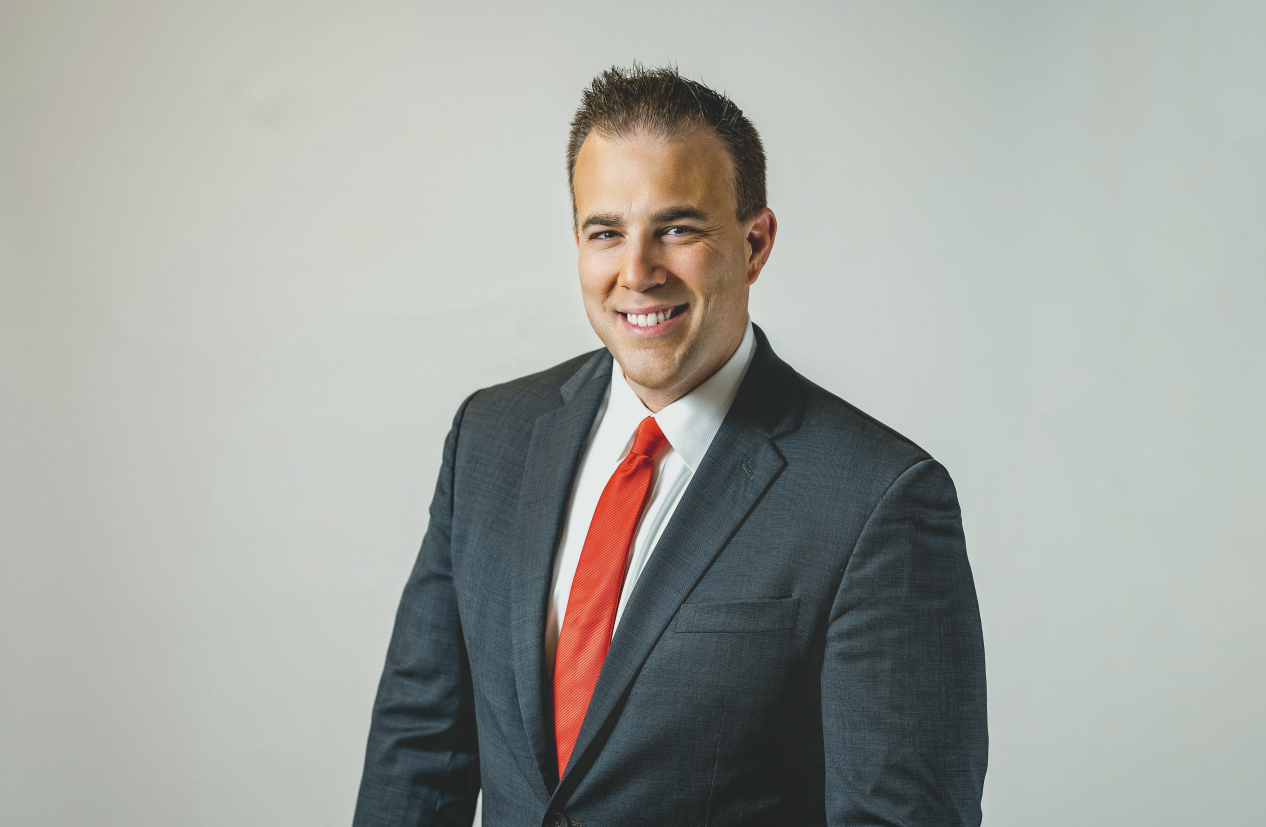
Florida-born meteorologist with a B.S. in Meteorology from Penn State and 16+ years of SWFL experience. Matt served as Chief Meteorologist at WINK News for 10 years and is now broadcasting independently via his Facebook page, Matt Devitt Weather, which commands over 1.2 million followers. He's a trusted voice through every major storm — from Irma and Ian to Helene and Milton.
MattDevittWeather on Facebook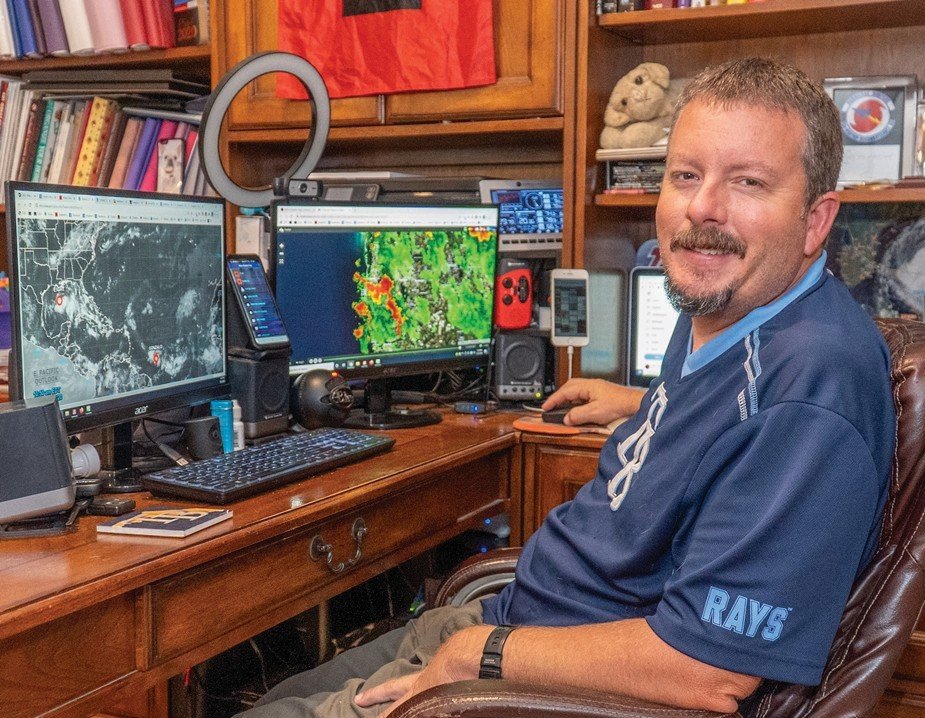
Founded in 2004 by Mike Boylan, MWP has become the #1 tropical weather destination for millions of Floridians. Mike is a self-taught storm chaser recognized by NOAA, the NWS, CDC, and FEMA, and was the first civilian to receive the Tropical Meteorology Award from the Governor's Hurricane Conference. Follow for real-time spaghetti models, satellite imagery, and storm chasing live streams.
SpaghettiModels.com FacebookNote on Matt Devitt: Matt is no longer on TV, but his Facebook page remains one of the most-followed and trusted weather resources in Southwest Florida. During active storms, his live commentary and radar breakdowns are exceptional. Follow him at facebook.com/MattDevittWeather.
Know Your Zone
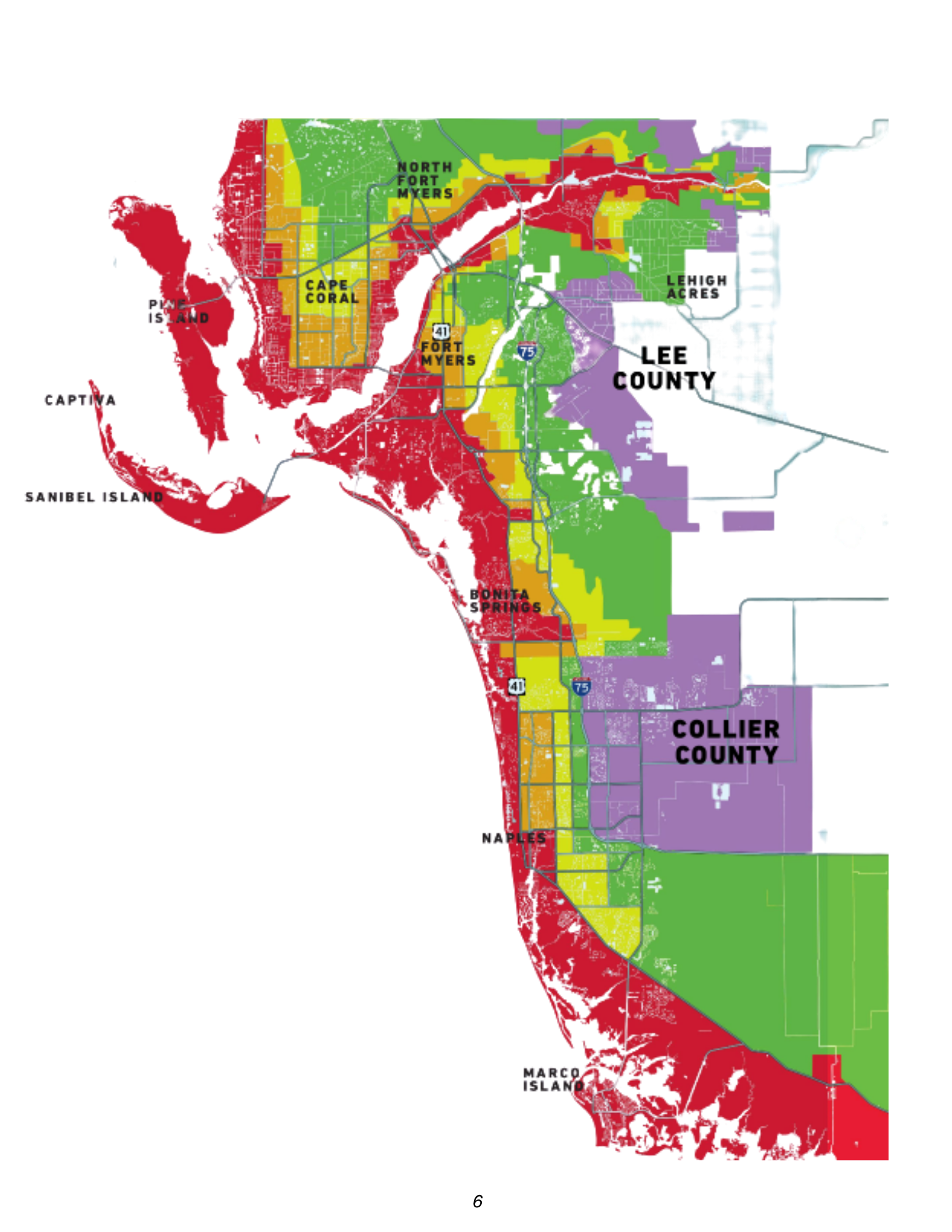
Not all areas face the same level of risk during a hurricane, especially when it comes to storm surge. Zones are labeled A through E, with Zone A being most vulnerable to flooding and storm surge. If you're in an evacuation zone and an order is issued, don't wait — leave early. Roads congest quickly and conditions can change fast. Knowing your zone before a storm is named gives your family a critical head start.
Evacuation Zone Levels
Know which zone applies to your home before a storm is named.
Prepare
Early
Don't wait until the storm is named — by then, shelves are often empty and lines are long. While a hurricane may only last a day, the aftermath can stretch for a week or more. Power outages, water disruptions, and blocked roads are common. Stock up early.
"Don't forget books, games, and cards.
Oh, and alcohol. This is Florida. You can't do a hurricane without a drink!"
— Jami Kolev
🥤 Food & Water
🔦 Power & Light
🩹 Safety & Tools
🧼 Hygiene & Sanitation
📄 Docs & Essentials
🐾 Pets
Prep
Your Home
Securing your property before a storm can dramatically reduce damage. Start outdoors, work your way in, and don't forget systems and utilities. A little effort now saves enormous stress later.
Take photos or video of your entire home and all contents before the storm. This documentation is critical for insurance claims.
🌳 Exterior Prep
🪟 Windows & Doors
💧 Flood Protection
⚡ Systems & Utilities
✅ Final To-Dos
The
Go Box
Your "Go Box" is a collection of your most important and irreplaceable items — the things you'd never want to lose in a storm, whether you're staying home or evacuating. It's not about panic; it's about peace of mind.
Think about what's truly important: your family's birth certificates, your laptop with all your photos, your child's favorite stuffed animal. For us, it's also things like our hard drives, passports, and my dad's ashes.
Keep a checklist saved in your phone's Notes app — that way, when it's time to prepare, you're not scrambling.
It's personal. It's powerful. And it's worth preparing for.
📋 ID & Documents
💻 Tech & Devices
❤️ Sentimental & Irreplaceable
💊 Medical
After
the Storm
Stay safe. Document everything. Take it one step at a time.
Wait for the All Clear
Even if skies are clear, danger isn't always over. Floodwaters, live power lines, unstable structures, and broken gas lines can all pose serious risk.
Document & Assess
If You Had
Flooding
Document Everything
Take photos and video of every room, damaged item, and water line before removing or cleaning anything. This is critical for insurance claims. Note appliance serial numbers, note water line heights on walls.
Remove Wet Items Immediately
Mold can begin to grow within 24–48 hours. Start removing rugs, furniture, and drywall if safe to do so. Prioritize ventilation and drying. Open windows and use fans when power is restored.
Wear Protection
Floodwater can contain bacteria, chemicals, or sewage. Always wear gloves, waterproof boots, and a mask when handling anything water-damaged. Wash hands frequently.
Contact & Claims
After the storm, document damage right away. Take photos, note serial numbers, and contact your insurance provider as soon as possible. Keep all claim numbers and correspondence in one place.
Need Help Filing?
Apply for federal aid at disasterassistance.gov. FEMA assistance can help cover housing, repairs, and other disaster-related needs. Keep all documentation.
Getting Help
Recovery takes a village. Look to city or county websites, local news outlets, churches, and community groups for food, water, and cleanup support. Many organizations mobilize quickly after a storm.
Take Care of Yourself
Recovery is emotionally draining. Rest when you can, take breaks, and lean on loved ones. You don't have to have it all together right now. Accept help when it's offered.
"After Hurricane Ian, we learned that even when the physical damage is overwhelming, it's the emotional toll that lingers. Give yourself grace. Don't try to tackle everything in one day. Lean on your community. Accept help when it's offered. And remember: homes can be rebuilt. What matters most is your people, your health, and your peace of mind."